glass panel upgrades
Modern Flight Decks. Timeless Standards.
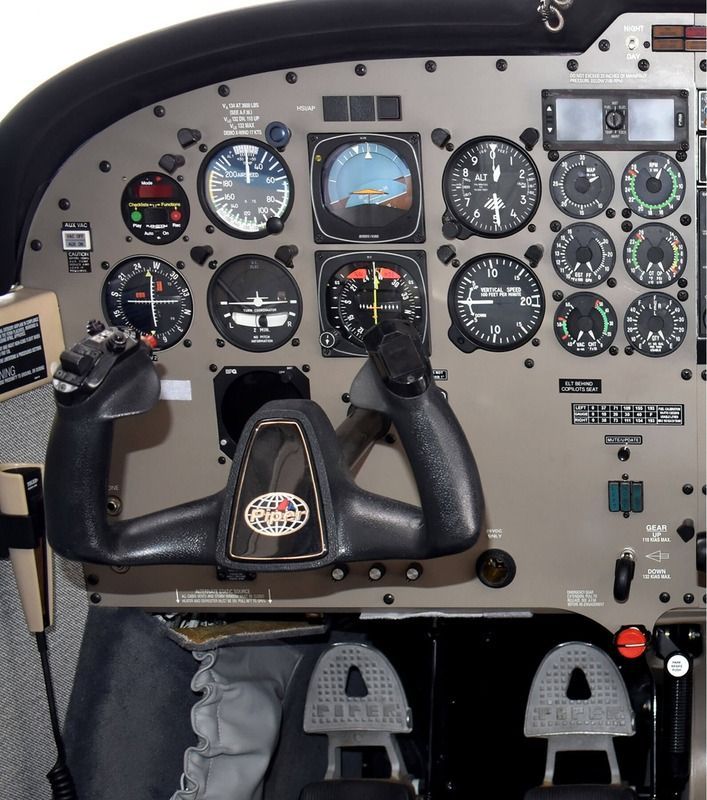
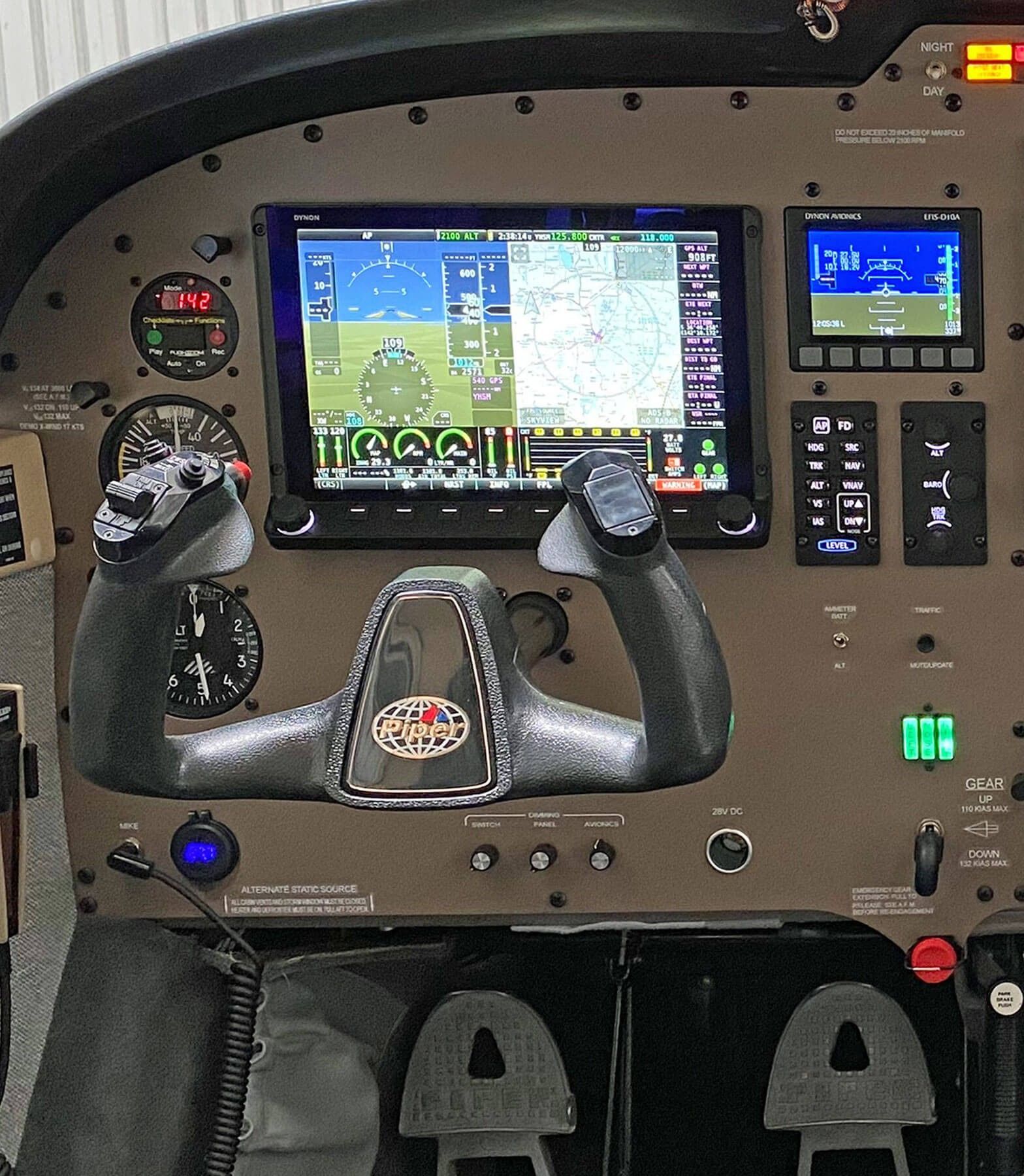
A glass panel upgrade is one of the most significant investments an aircraft owner makes — and one of the most personal. At SkyWorld Aviation, we approach every avionics project with the same disciplined craftsmanship that has defined our work since 1991. Whether you're modernizing a legacy panel, replacing an aging autopilot, or adding connectivity for the way you fly today, our team delivers installations engineered to perform reliably for years to come.
Full glass panel design and installation, tailored to your aircraft and mission
Autopilot troubleshooting, repair, and complete system replacement
Engine instrumentation and aircraft connectivity upgrades for sharper awareness in every phase of flight
Every SkyWorld avionics installation begins with a real conversation — about how you fly, what you need from your panel, and what makes sense for the long-term value of your aircraft. We help you navigate the options without pressure, recommend only what genuinely improves safety and reliability, and stand behind every system we install. When your aircraft leaves our hangar, it leaves with workmanship you can trust at altitude.
FEATURED PRODUCTS AND BRANDS
Lorem ipsum dolor sit amet, consectetur adipiscing elit, sed do eiusmod tempor incididunt ut labore et dolore magna aliqua.
BEFORE & AFTER
Lorem ipsum dolor sit amet, consectetur adipiscing elit, sed do eiusmod tempor incididunt ut labore et dolore magna aliqua.
Common GLASS PANEL UPGRADE QUESTIONS
Is a full glass panel upgrade worth it, or should I just install dual G5s?"
The right answer depends less on the avionics and more on three things: how long you plan to own the aircraft, what kind of flying you do, and your aircraft's resale tier. Dual G5s with a GFC 500 autopilot make sense for an owner who flies mostly day-VFR with occasional IFR, plans to keep the aircraft three to five years, and wants ADS-B and attitude redundancy without a full panel rebuild. A full glass retrofit — typically a G3X Touch or Avidyne IFD-series with integrated autopilot, engine monitoring, and a second display — makes sense for owners flying serious IFR, planning to keep the aircraft seven-plus years, or operating an airframe (Bonanza, Cirrus, Mooney, late-model Cessna) where the avionics package meaningfully drives resale value.
What's often missed in online discussions is the installation labor differential. A dual-G5 install is roughly 40–60 shop hours. A full glass retrofit with autopilot, engine monitor, and audio panel integration can run 180–250 hours, and the quality of that wiring work determines whether the aircraft has clean squawk-free service for the next decade or chronic intermittent issues. The avionics brand matters less than the shop's wiring discipline.
At SkyWorld, the conversation starts with how the owner actually flies the aircraft — not with a quote.
How long does a glass panel installation actually take, and why do quoted timelines vary so much?
A realistic full-panel retrofit timeline for a single-engine piston aircraft is eight to fourteen weeks from aircraft drop-off to return-to-service, assuming the shop already has the equipment in hand and no significant discrepancies are discovered during teardown. Shops that quote three or four weeks are usually quoting labor hours, not calendar time — and that distinction is where most owner frustration originates.
Three factors drive the variance. First, parts lead times: certain Garmin LRUs, autopilot servos, and STC kits have run twelve to twenty weeks in 2025–2026, and a responsible shop will not start the teardown until critical parts are physically on the shelf. Second, discovery work: once the panel is open, corroded wiring, failing gyros pulled for credit, or non-compliant prior installations frequently surface, and addressing them properly adds time but prevents future squawks. Third, post-installation flight testing and calibration: autopilot tuning, magnetometer calibration, pitot-static recertification, and AHRS alignment can take a week of good-weather flying that owners rarely factor in.
The honest answer most shops won't put in writing: a clean, well-documented install on a realistic timeline is almost always worth more than a fast one.
What questions should I ask an avionics shop before I commit to a panel upgrade?
Most owners ask about price and timeline. Those matter, but they're not where the quality of an install is determined. The questions that actually predict outcomes are:
"Who is doing the wiring, and how long have they been with the shop?" Avionics installations live or die on the technician's hands. A shop with a stable, experienced installer is worth more than a shop with the lowest hourly rate.
"What does your post-installation support look like for the first 100 hours?" New panels almost always generate minor squawks in the first months — autopilot tuning, settings preferences, software updates. Ask how follow-up visits are scheduled and billed.
"Will you show me the wiring before the panel goes back on?" A shop confident in its work welcomes this. The harness routing, service loops, and shield grounding tell you more about install quality than any photo of the finished panel.
"How do you handle discoveries during the install?" The right answer is a written change-order process, not a phone call asking for verbal approval to add hours.
"Can I talk to two owners whose aircraft you've completed in the last twelve months?" Recent references matter more than testimonials. Aircraft, avionics packages, and shop personnel all change over time.
A shop that answers these questions directly — including the uncomfortable ones — is the shop worth trusting with the aircraft.
Upgrade Your Panel, Increase Your Safety of Flight